Stella Pricing: An AI-Driven Pricing Intelligence Framework
The question, “What is the appropriate price for temporary housing for a displaced policyholder during a claim?” appears simple on the surface but represents a complex optimization problem.
In the context of insurance-related temporary accommodation, while primary variables (e.g., length of stay, property type, and amenities) are easily identifiable, pricing is also influenced by multiple interacting factors - geographic proximity to the loss site, local housing market volatility, claim urgency, seasonality, and service expectations defined by the insurer.
At Sinistar, we developed Stella Pricing to move beyond subjective, experience-based valuation. Our goal is to provide optimal price prediction, helping industry members make better decisions, ensuring both competitive positioning and optimal revenue generation.
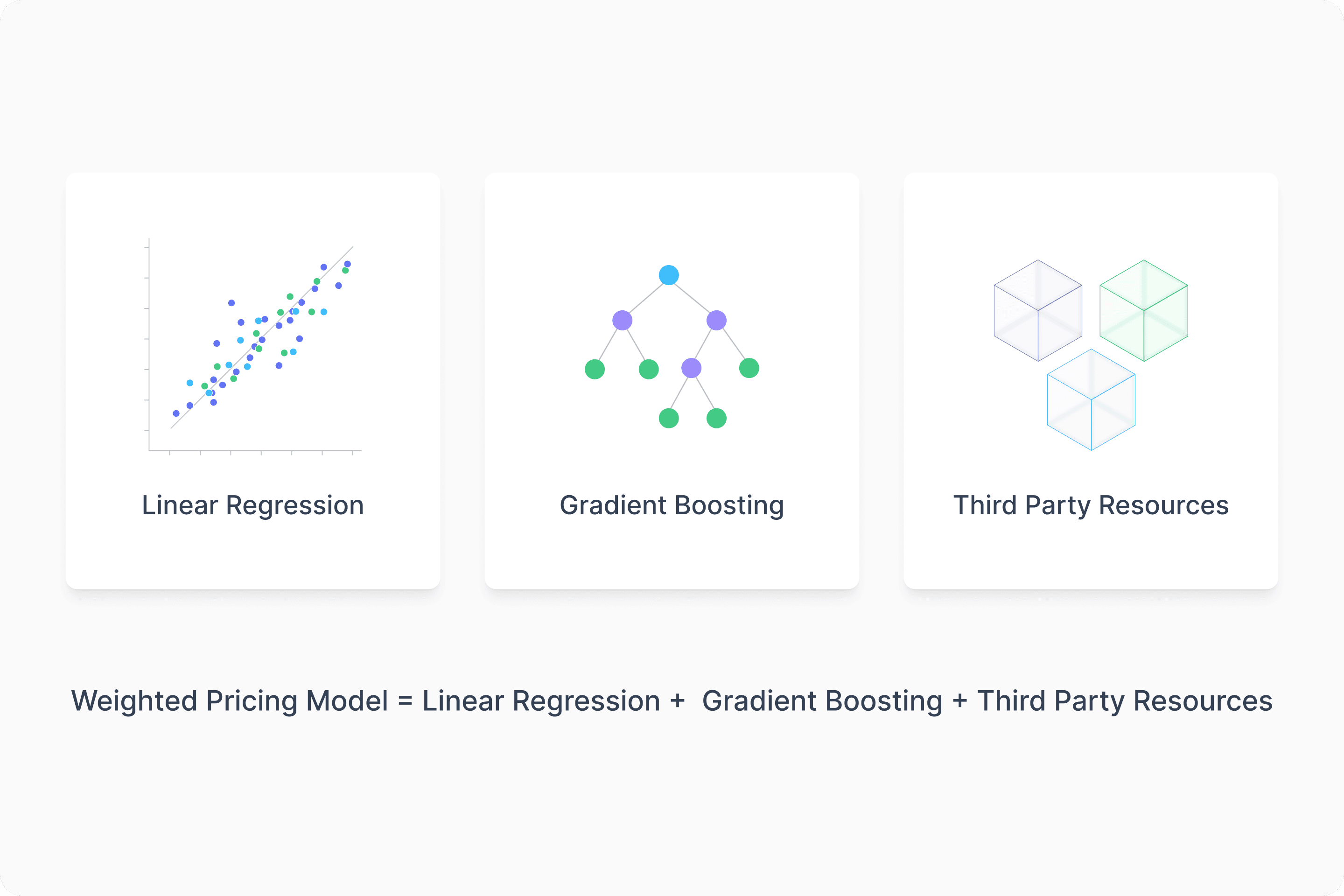
The Modeling Suite: Beyond the Single Algorithm
We are convinced that a single model cannot universally optimize pricing across diverse global markets, as each city, province, or country possesses unique market characteristics.
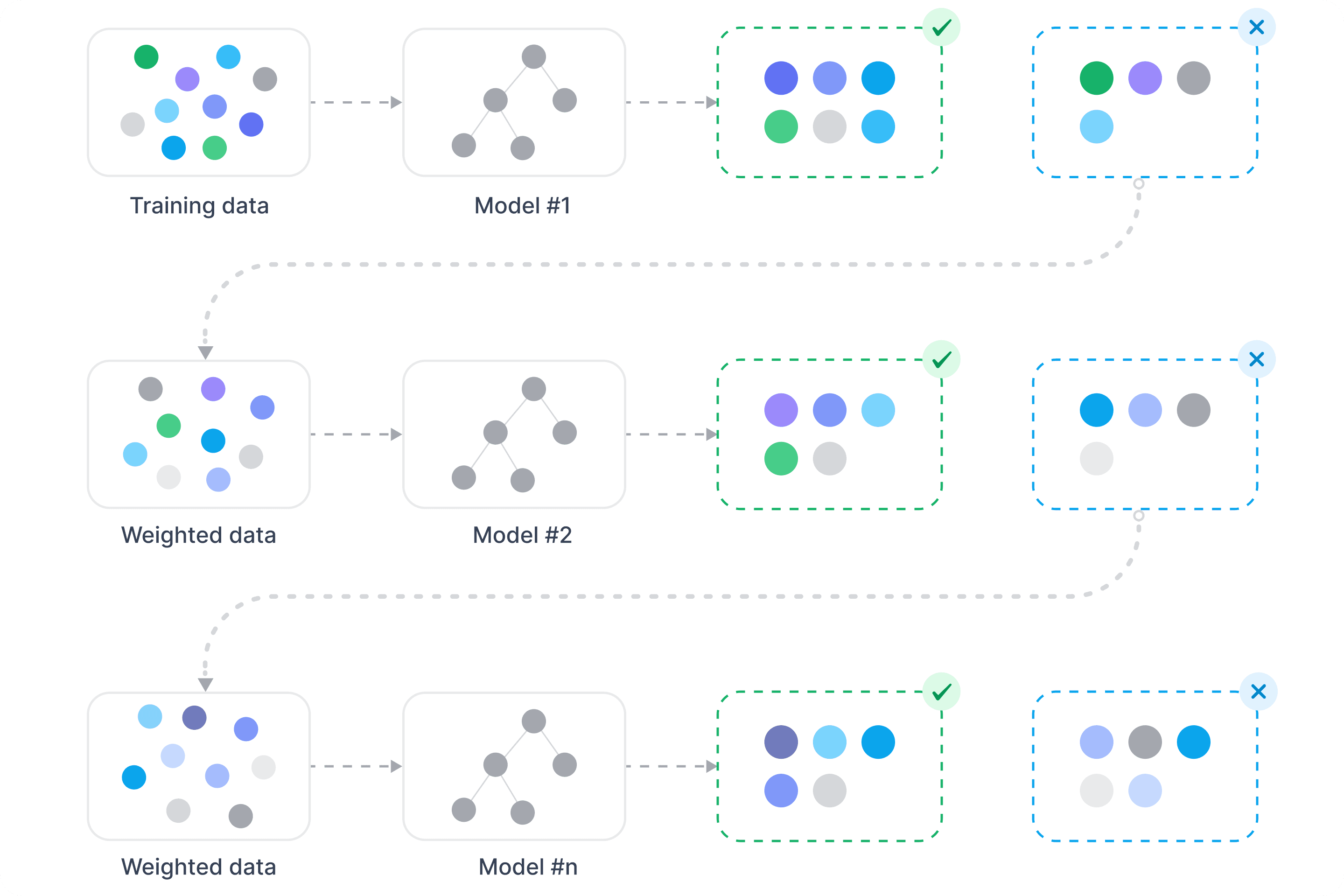
Our approach is to build and maintain a comprehensive Modeling Suite, enabling us to test, implement, and deploy the algorithm best suited for a specific geographic or market context. Individual predictors are trained and scored independently, then combined through a performance-weighted ensemble calibrated on out-of-sample tests. We are actively exploring and implementing advanced models, including:
Gradient Boosting Machines (GBM): Excellent for handling complex, non-linear feature interactions and high-dimensional data.
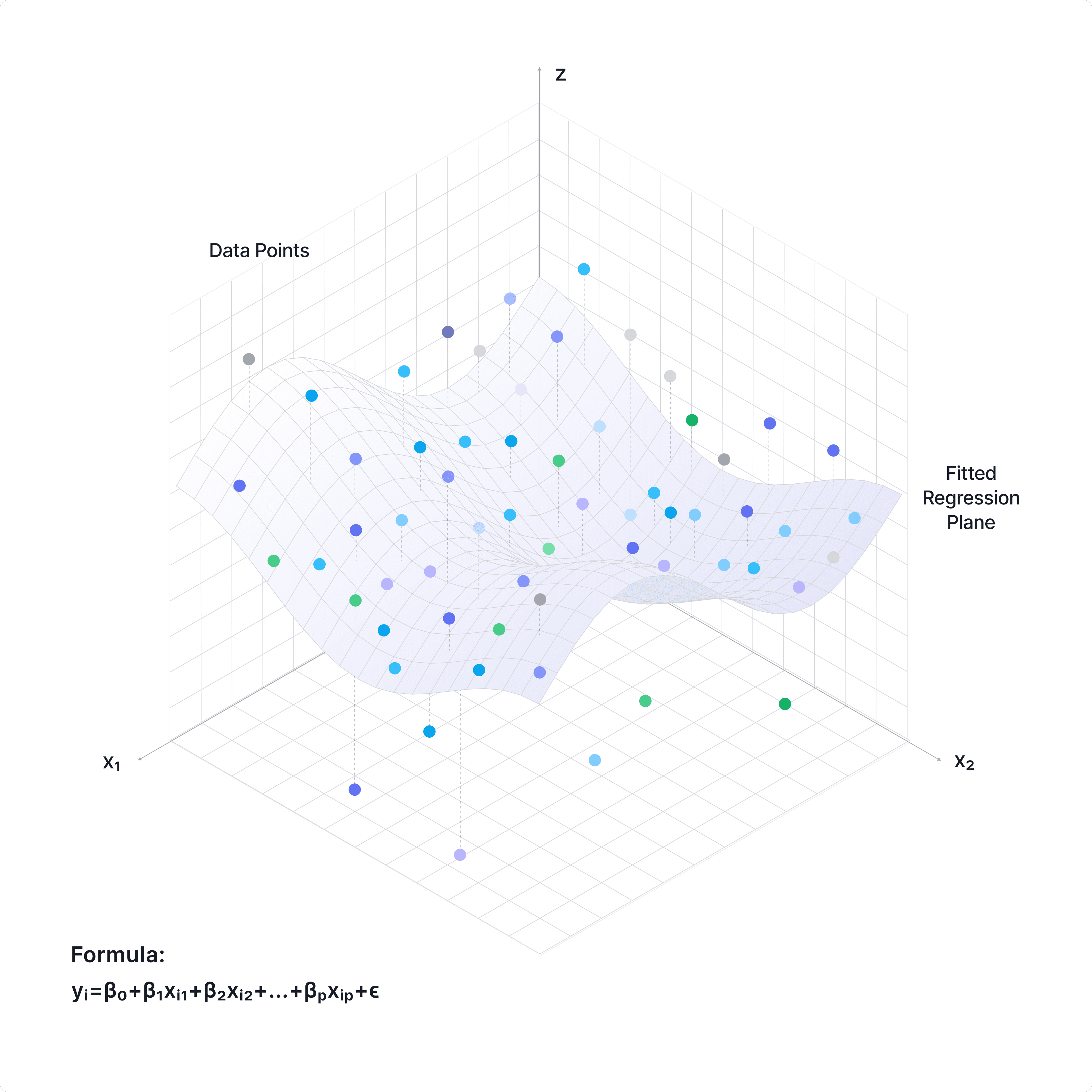
Regularized Regression (Lasso and Ridge): Providing robust, interpretable baselines and offering effective feature selection insights.
Third Party Resources: Vendor or open-source pricing estimators and APIs, integrated as independent predictors, validated for bias, drift, and compliance.
The Methodological Framework: From Data to Confidence
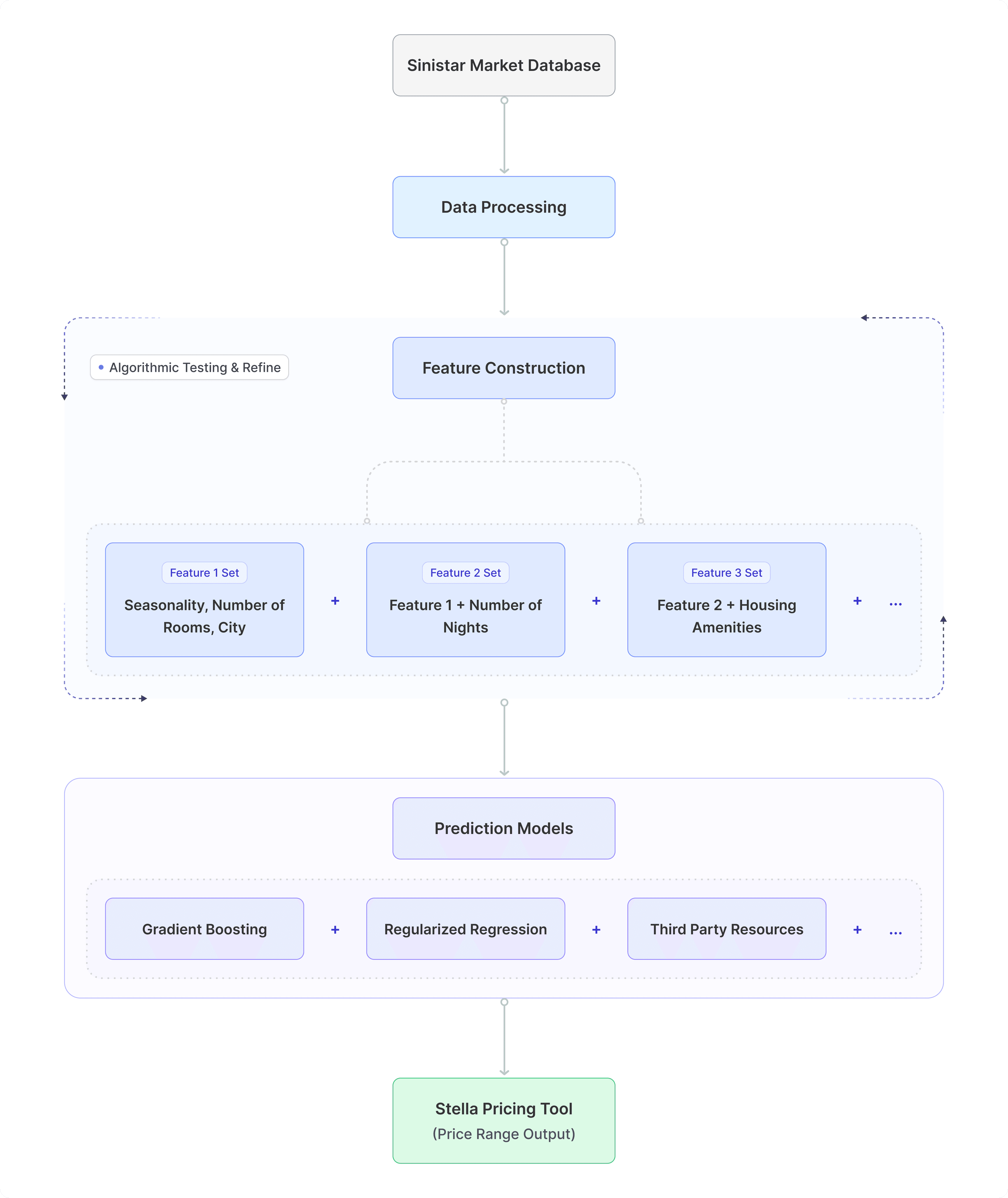
To create a reliable and accurate pricing model, we must transcend intuitive pricing and establish a robust, methodological framework. This process consists of three parts: Data Acquisition and Modeling, Algorithmic Testing and Selection, and Iterative Validation. The final output is not a static price, but a validated, confident price range.
Data Acquisition and Modeling: The Foundation of Prediction
A model's efficacy is a direct function of its input quality. Our data strategy focuses on both volume and veracity. We gather comprehensive data by combining proprietary in-house data with real-world information extracted from various Open Data sources.
Once extracted, the data undergoes a crucial data modeling stage to standardize, cleanse, and validate all inputs. Models are entirely dependent on this high-quality input, making robust data engineering a key component for a reliable output.
Algorithmic Testing and Selection
The attributes of a property and its context are the primary drivers of price. Our framework extracts all available features from every data source, then strategically refines and combines them through feature engineering to maximize predictive power. Our goal is to understand how these features influence the price of a short-term rental across different geographical and temporal contexts.
Key Feature Examples Used in Our Models:
Duration: Number of nights for the stay
Property Composition: Number of beds, property type, capacity, amenities
Geospatial Context: Granular localization (city/province/country/neighborhood dynamics)
Temporal Dynamics: Seasonality, day-of-week, major local events
Host and Listing Quality: Host profile rating, quality of listing content, and review sentiment
Continuous Evaluation and Local Adaptability
The final stage of the Stella Pricing framework ensures confidence and market adaptability. Our models are not static; they are continuously improved through the incorporation of new market signals and the iterative validation of their performance.
We constantly incorporate new insurance and housing market data, allowing our models to adapt to emerging patterns in claim activity, housing availability, and policyholder behavior. This validation process is grounded in empirical analysis and includes both retrospective and real-time evaluation methods:
1. Backtesting: Assessing model performance against extensive historical claim and placement datasets to evaluate predictive accuracy within past market and insurer conditions. 2. Forward Testing: Comparing predicted temporary housing price ranges to actual realized placement costs during active Additional Living Expense (ALE) claims to measure predictive drift and model decay.
By establishing this robust, cyclical validation framework, Sinistar Pricing ensures that its outputs are not theoretical estimates but empirically validated, insurer-ready price ranges. This scientific approach delivers predictive reliability, transparency, and operational confidence to insurers managing temporary housing placements for displaced policyholders.
Interested in learning more about Stella?
Book a demo with us at info@sinistar.com or give us a call at 1-855-717-8878.